
Healthy Dog Weight Basics
A practical starting point for understanding healthy growth trends, feeding consistency, and body-condition checks.

Reviewed by DogWeightCalculator Editorial Team
Updated for practical weekly tracking routines.
Key takeaways
- Track trend direction over time, not one isolated weigh-in.
- Use body-condition checks alongside calculator or chart results.
- Re-check consistently and bring notes to vet visits.
1. Use trends, not one number
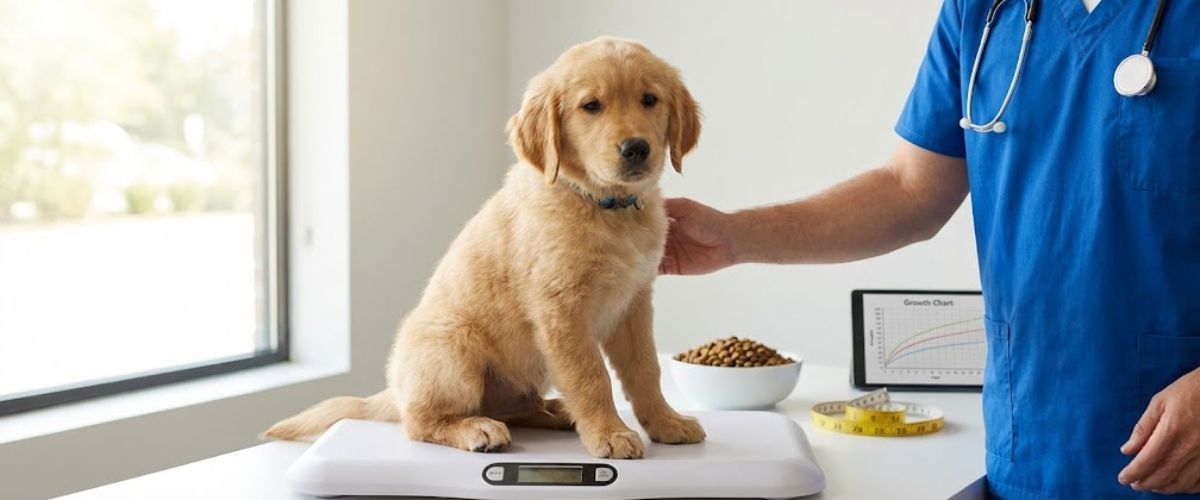
Puppies often grow in waves. A single weigh-in can look confusing on its own, while several points over a few weeks show the real direction of growth.
Make check-ins repeatable by using the same scale, timing, and units each time you record.
2. Watch body condition
You should usually feel the ribs with light pressure, see a waist from above, and notice a slight abdominal tuck from the side.
These visual and touch cues help explain why scale numbers can look different between dogs at similar ages.
Friendly reminder
Rapid changes in appetite, energy, or growth pattern deserve an earlier vet conversation.
3. Keep routines consistent
Measure portions, limit random treats, and keep a regular meal schedule. Small daily changes can add up quickly over a month.
Combining routine with monitoring is the most reliable way to support steady development.